Aspirational Versus Operational
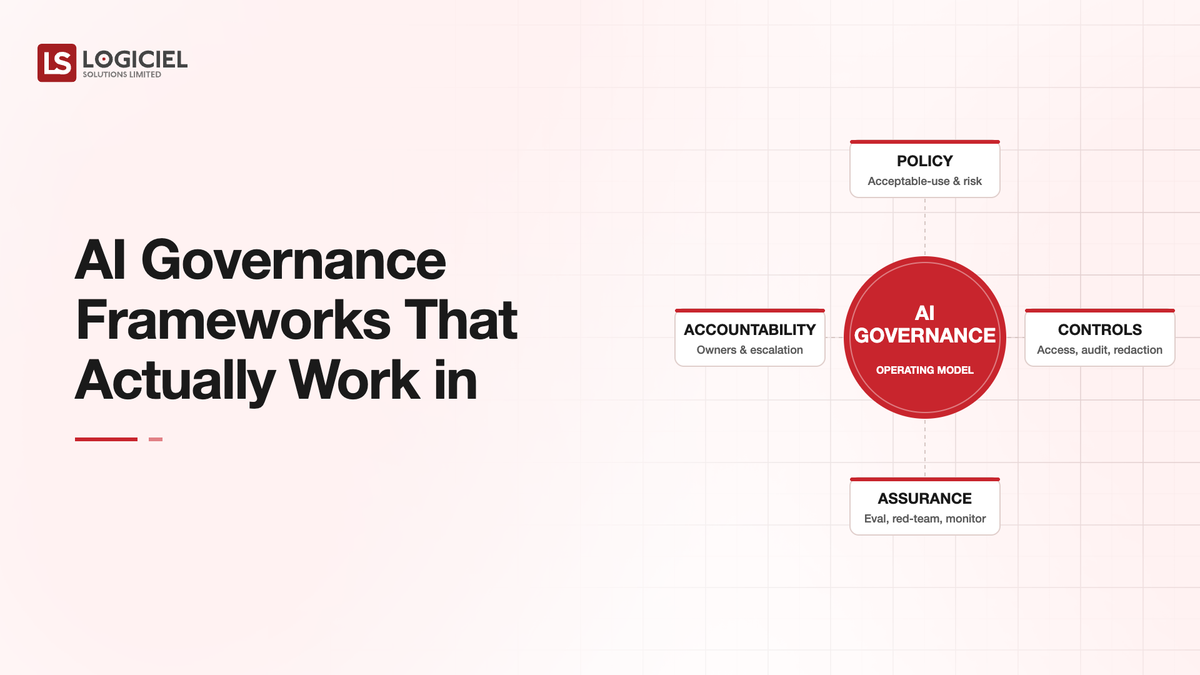
Most published AI governance frameworks describe what governance should look like in principle. The published versions are useful for orientation and unhelpful for operation. The frameworks that actually work in regulated industries are operational: they map specific governance activities to specific regulatory obligations, they assign accountability for each activity, and they produce auditable artifacts as a byproduct of normal engineering work.
EY's 2024 survey of AI governance maturity across financial services, healthcare, and telecommunications found that 71 percent of enterprises had a published governance framework and only 27 percent had an operational one (EY, "AI Pulse 2024," 2024). The gap is between governance that exists on paper and governance that runs day to day. Closing it is the work.
If your AI governance framework is more comfortable to discuss in the boardroom than to operate inside engineering, the gap is present and growing.
The Operational Five Pillars
Operational AI governance in regulated industries rests on five pillars. Each one maps to specific regulatory obligations. Each one has an owner. Each one produces artifacts that exist as a side effect of engineering work, not as a parallel documentation burden.
The first pillar is model inventory and risk classification. Every AI system in production, with classification of regulatory risk tier, ownership, data dependencies, and current status. Updated continuously as systems are deployed, modified, or retired. The inventory is the source-of-truth artifact that every other governance pillar relies on.
The second pillar is data governance. Where data originates, how it is classified, what consent or legal basis covers its use in AI, how it flows through the system, how it is retained and deleted. The pillar maps directly to GDPR, CCPA, HIPAA, and equivalent data protection obligations.
The third pillar is model lifecycle management. Validation before deployment, monitoring during operation, change control for updates, retirement when superseded. Maps to model risk management requirements under SS1/23 in the UK, SR 11-7 in the US, and the EBA guidelines in Europe.
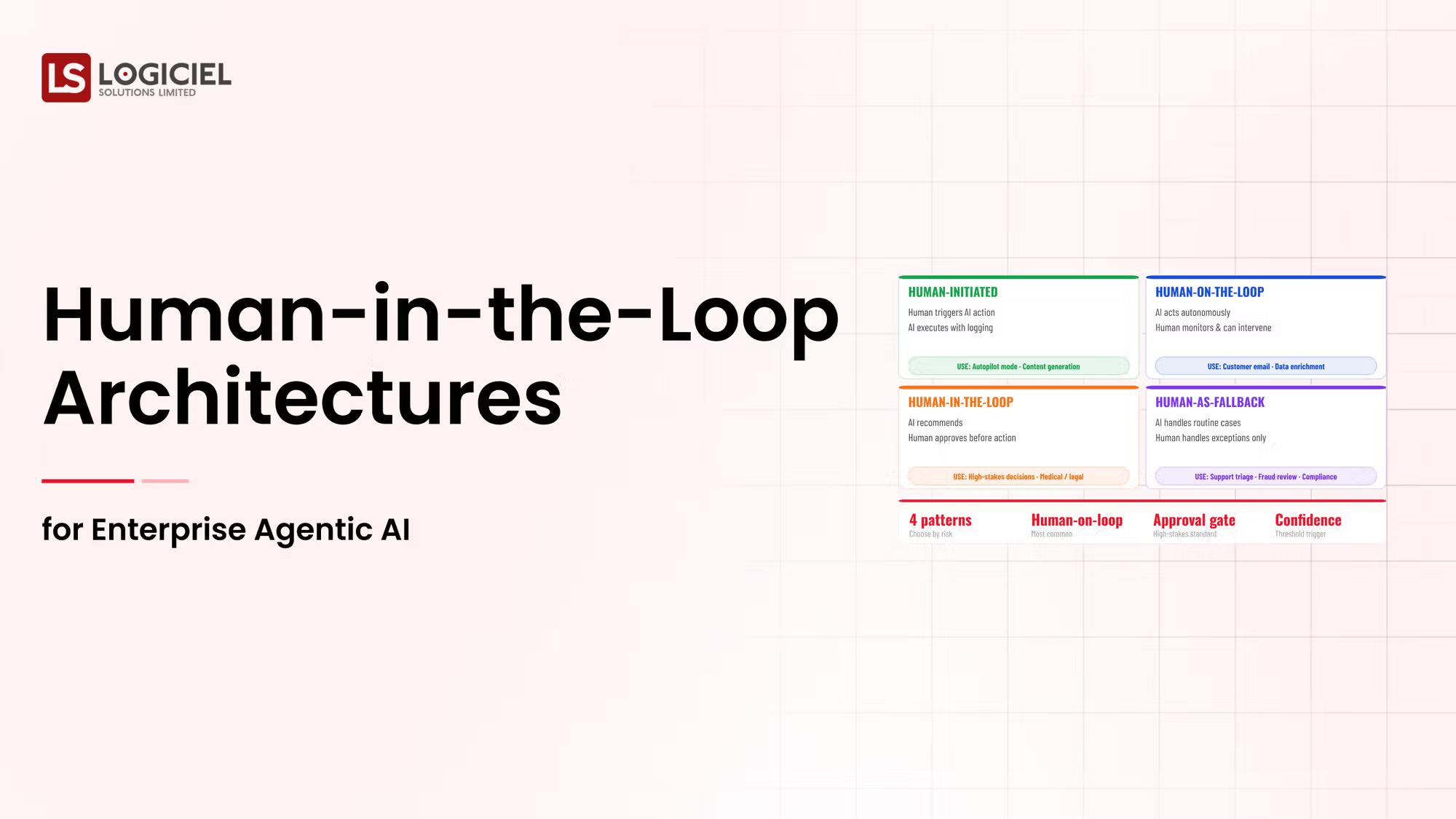
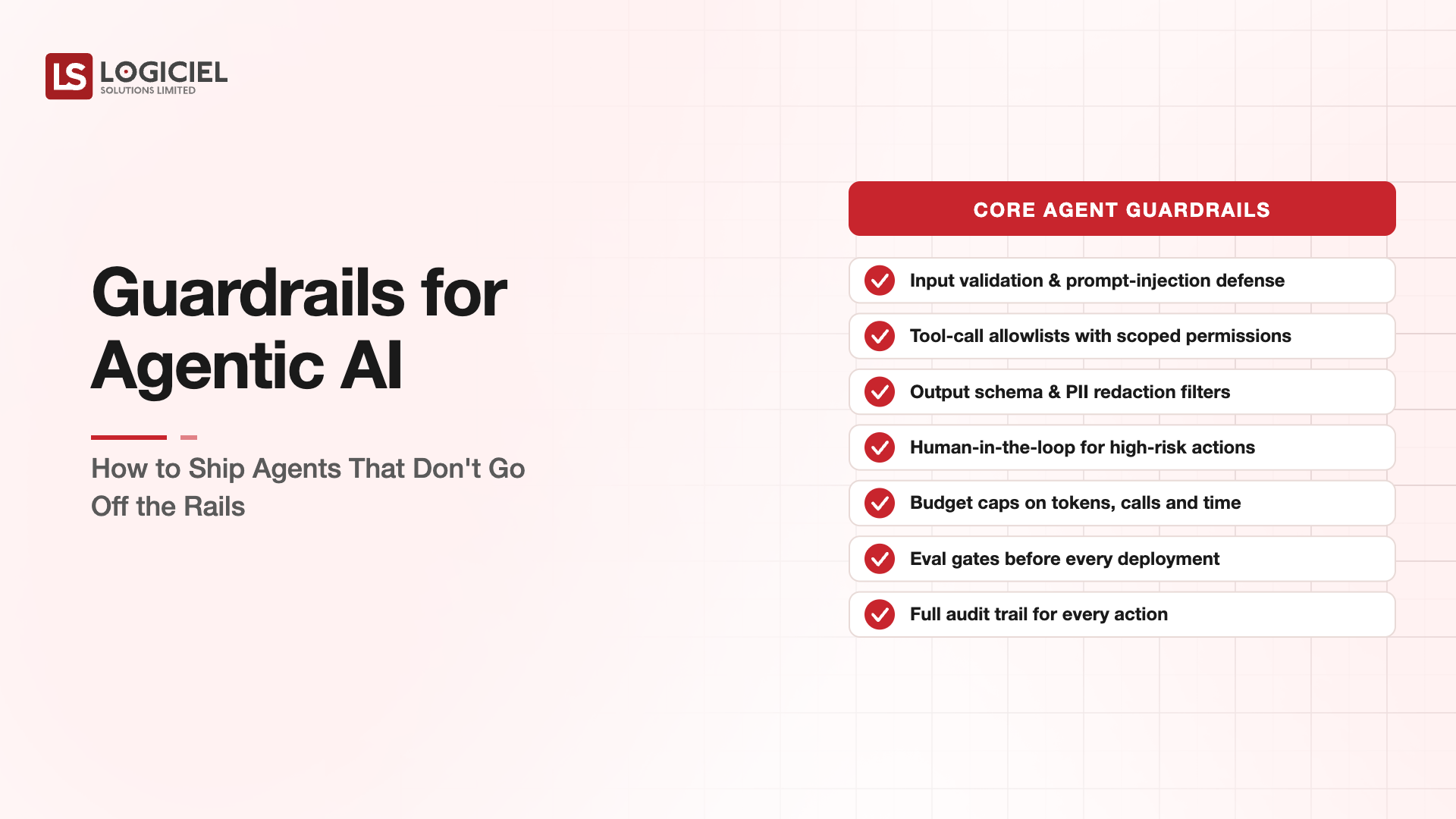
The fourth pillar is human oversight architecture. Where humans review, approve, or intervene in AI decisions. The architecture is workflow-specific and has to be designed for each high-risk system. Maps to EU AI Act Article 14, GDPR Article 22, and equivalent provisions.
The fifth pillar is incident and breach response. What happens when an AI system fails, produces wrong outputs, leaks data, or experiences a security breach. Maps to DORA incident reporting, GDPR breach notification, and equivalent operational resilience requirements.
The five pillars are not exhaustive but they cover the obligations that regulators ask about. A framework that operates all five well satisfies most regulatory examinations.
What the Auditor Actually Asks
Regulatory examinations of AI governance follow predictable patterns. The questions auditors actually ask cluster around three areas.
The first area is system identification. "Show me your complete inventory of AI systems including ones you might not consider AI." This question catches enterprises that have not built the model inventory pillar. Anything that uses ML, neural networks, or statistical decisioning may be in scope depending on the regulation, and the inventory has to cover all of them.
The second area is decision traceability. "Show me the audit trail for a specific decision your AI system made on a specific date." This question tests whether the audit trail is actually queryable and complete. Many enterprises have audit logs that exist in theory and are not actually accessible for the kind of forensic analysis a real audit requires.
The third area is incident response evidence. "Walk me through how you handled the most recent AI incident." This question tests whether the incident response pillar is operating in practice or only on paper. Auditors are good at recognizing the difference between rehearsed procedures and real ones.
Frameworks that produce auditable artifacts as a side effect of engineering work pass these questions easily. Frameworks that maintain governance as a separate workstream usually struggle because the artifacts have to be reconstructed for the audit.
The Engineering Integration That Makes It Work
The operational governance frameworks that actually work integrate into engineering workflows rather than running parallel to them.
Model inventory updates automatically when systems are deployed through the CI/CD pipeline. The deployment artifact is the inventory entry. Manual inventory maintenance does not survive at scale.
Data governance metadata travels with the data through pipelines. Classification at ingestion propagates through transformations. Access controls and consent metadata are queryable at the point of use rather than maintained in a separate system.
Model lifecycle artifacts (validation results, monitoring metrics, change documentation) generate as engineering byproducts. The team that builds the model produces the documentation as part of building. There is no separate documentation team.
Human oversight is implemented in workflow rather than appended to it. The system designs for human review at appropriate points. The review is a first-class step, not a wrapper.
Incident response runbooks are tested through regular drills. The runbook that has never been executed under pressure usually does not work the first time it is needed.
Frameworks that achieve this integration cost much less to operate than frameworks that maintain governance as a parallel function. They also pass audits better.
The Roles That Have to Exist
Five named roles have to exist for the operational framework to function. The roles can be combined in smaller organizations or distributed in larger ones, but the responsibilities cannot disappear.
A governance lead owns the framework, its evolution, and the executive-level reporting. Reports to a CRO, Chief Compliance Officer, or equivalent. Has authority to halt deployments that do not meet governance standards.
A model risk lead owns the second and third pillars (data and model lifecycle). Often comes from a traditional ML or quantitative finance background. Has the technical depth to evaluate model validation and monitoring.
A data protection lead owns the second pillar (data) specifically and the relevant regulatory mappings (GDPR, HIPAA, CCPA). Often the existing DPO with AI-specific extension to responsibilities.
A security lead owns the fourth and fifth pillars (oversight and incident response) from a security perspective. Often the existing CISO or a deputy.
A platform engineering lead owns the technical implementation of the framework inside engineering. Reports to engineering leadership. Coordinates with the other four roles to ensure that governance requirements are buildable.
Frameworks without these five roles named struggle to operate because accountability is unclear. Frameworks with them named operate predictably even as personnel change.
What Logiciel Does Here
Logiciel works with regulated enterprises whose published AI governance frameworks have not yet become operational. The work is typically structured around gap analysis against the five pillars followed by engineering integration of the gaps with the highest regulatory exposure.
The AI Governance Playbook covers the four-layer playbook for governance design. The Fintech AI Compliance framework covers the financial services specific extensions; the Healthcare AI Implementation covers the healthcare specific extensions.
A 30-minute working session is enough to map your current governance maturity against the five pillars.